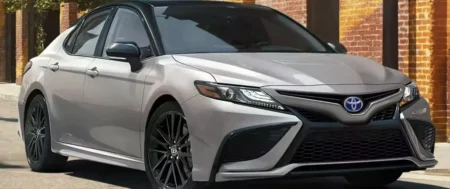

Choosing between a new and pre-owned vehicle when importing can significantly impact your budget, ownership experience, and long-term value. Understanding the key differences will help you make a smarter decision.
1. Budget Considerations
New vehicles come at a premium cost—not just in purchase price but also in shipping, insurance, and higher import duties. Pre-owned vehicles, on the other hand, are generally more affordable and allow buyers to access higher-end models within a limited budget.
2. Depreciation Factor
A new car begins to depreciate the moment it leaves the dealership. In contrast, pre-owned vehicles have already absorbed the bulk of depreciation, making them a better value proposition in many cases.
3. Condition and Reliability
New vehicles offer peace of mind with zero mileage, manufacturer warranties, and the latest technology. However, carefully selected pre-owned vehicles—especially certified or low-mileage units—can still deliver excellent reliability at a reduced cost.
4. Availability and Options
Importing a new car may limit your options depending on production timelines and availability. Pre-owned vehicles offer a wider range of models, trims, and discontinued variants that may no longer be available as new.
5. Import Regulations
In Nigeria, there are age restrictions on imported vehicles. Typically, vehicles older than a certain number of years may not be eligible for importation. This makes relatively recent pre-owned vehicles a popular middle ground.
6. Resale Value
Pre-owned vehicles tend to retain value better in markets like Nigeria, where affordability and durability are key factors influencing buyers.
Final Recommendation
- Choose new if you want the latest features, warranty protection, and long-term ownership.
- Choose pre-owned if you want better value, lower upfront costs, and flexibility in model selection.